The Origins of La Cosa Nostra in the United States
How the American Mafia Was Born and Rose to Power
Explore the origins of La Cosa Nostra in the United States, from Sicilian roots to Prohibition-era power, the Five Families, and the rise of organized crime in America.
Introduction: The Birth of the American Mafia
The story of La Cosa Nostra in the United States is one of immigration, survival, ambition, and power. Long before Hollywood glamorized mob life, the American Mafia was forming quietly in immigrant neighborhoods, shaped by Old World traditions and New World opportunity.
From the docks of New Orleans to the streets of New York City, La Cosa Nostra grew into one of the most powerful criminal organizations in American history.
Sicilian Roots and the Journey to America
La Cosa Nostra originated in Sicily during the 19th century, where it developed as a secret society offering protection in regions plagued by weak government and corruption. Its structure was built on loyalty, silence, and respect—values that would later define the American Mafia.
As millions of Italians immigrated to the United States in the late 1800s and early 1900s, some brought these traditions with them. Settling in cities like New York, New Orleans, Chicago, and Philadelphia, early Mafia groups began forming within tight-knit immigrant communities.
Early Mafia Activity in the United States
One of the earliest Mafia strongholds in America was New Orleans, where Italian crime groups controlled labor unions and shipping docks. Tensions erupted in 1891 with the infamous lynching of 11 Italian men—an event that highlighted both the fear and influence surrounding early Mafia activity.
By the 1910s and 1920s, organized crime had taken hold in New York City. Rival gangs fought violent battles for territory, power, and profit. Notorious figures such as Giuseppe “Joe the Boss” Masseria and Salvatore Maranzano emerged as key leaders during this era.
Prohibition: The Rise of Mafia Power
The passage of Prohibition in 1920 changed everything.
With alcohol outlawed, the demand for illegal liquor exploded. The Mafia stepped in, creating massive bootlegging operations that generated millions of dollars. Smuggling, speakeasies, and protection rackets turned organized crime into a national enterprise.
During this time, Charles “Lucky” Luciano reshaped the Mafia forever. After eliminating rival bosses, he created the modern structure of La Cosa Nostra, including:
- The Five Families of New York
- The Commission, a governing council to prevent wars
- A corporate-style hierarchy focused on profit over chaos
This system allowed the Mafia to thrive for decades.
Expansion Across America
By the 1930s and 1940s, La Cosa Nostra had established strongholds across the country, including:
- New York
- Chicago
- Detroit
- Philadelphia
- Cleveland
- Tampa
The Mafia controlled gambling, loan sharking, labor unions, construction, and narcotics. The code of omertà, or silence, ensured loyalty and protected leadership from law enforcement.
Decline of the Mafia and Lasting Legacy
The Mafia’s power peaked in the mid-20th century but began to decline due to:
- FBI wiretaps
- The RICO Act
- High-profile informants like Joe Valachi and Sammy “The Bull” Gravano
These developments exposed the inner workings of La Cosa Nostra and led to major convictions.
Though greatly weakened today, the American Mafia’s influence lives on through books, films, and pop culture. Its story remains one of the most fascinating chapters in American criminal history.
SECTION OVERLINE
THE GALLERY
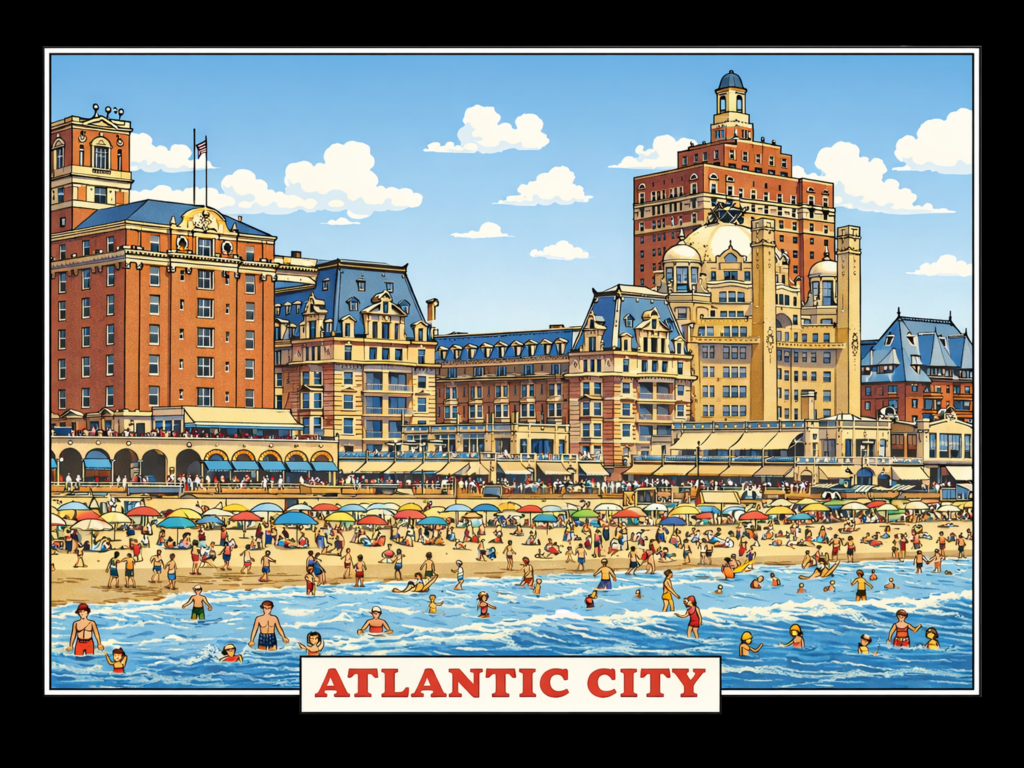
The Roaring Twenties: Atlantic City
Atlantic City in the 1920s pulsed with jazz, bootleg liquor, boardwalk glamour, and shadowy gangsters—where Prohibition fueled nightlife, fortunes rose overnight, and the ocean breeze carried secrets of a roaring, lawless era
Contemporary Art Exhibition
10 JUN – 23 FEB | ADULTS – $4 | STUDENTS – $2
Tote bag pok pok brunch, meh trust fund chia blog air plant. Tofu af subway tile, craft beer pok heirloom plaid lyft vape wolf jianbing.
Contemporary Art Exhibition
26 JAN – 2 FEB | ADULTS – $5 | STUDENTS – FREE
Tote bag pok pok brunch, meh trust fund chia blog air plant. Tofu af subway tile, craft beer pok heirloom plaid lyft vape wolf jianbing.

William M. – Watercolour Exhibition
10 JUN – 23 FEB | ADULTS – $4 | STUDENTS – $2
Tote bag pok pok brunch, meh trust fund chia blog air plant. Tofu af subway tile, craft beer pok heirloom plaid lyft vape wolf jianbing.
SECTION OVERLINE